
Heat Pump Reversing Valve Failure in Wingate, NC: What to Check Before Winter
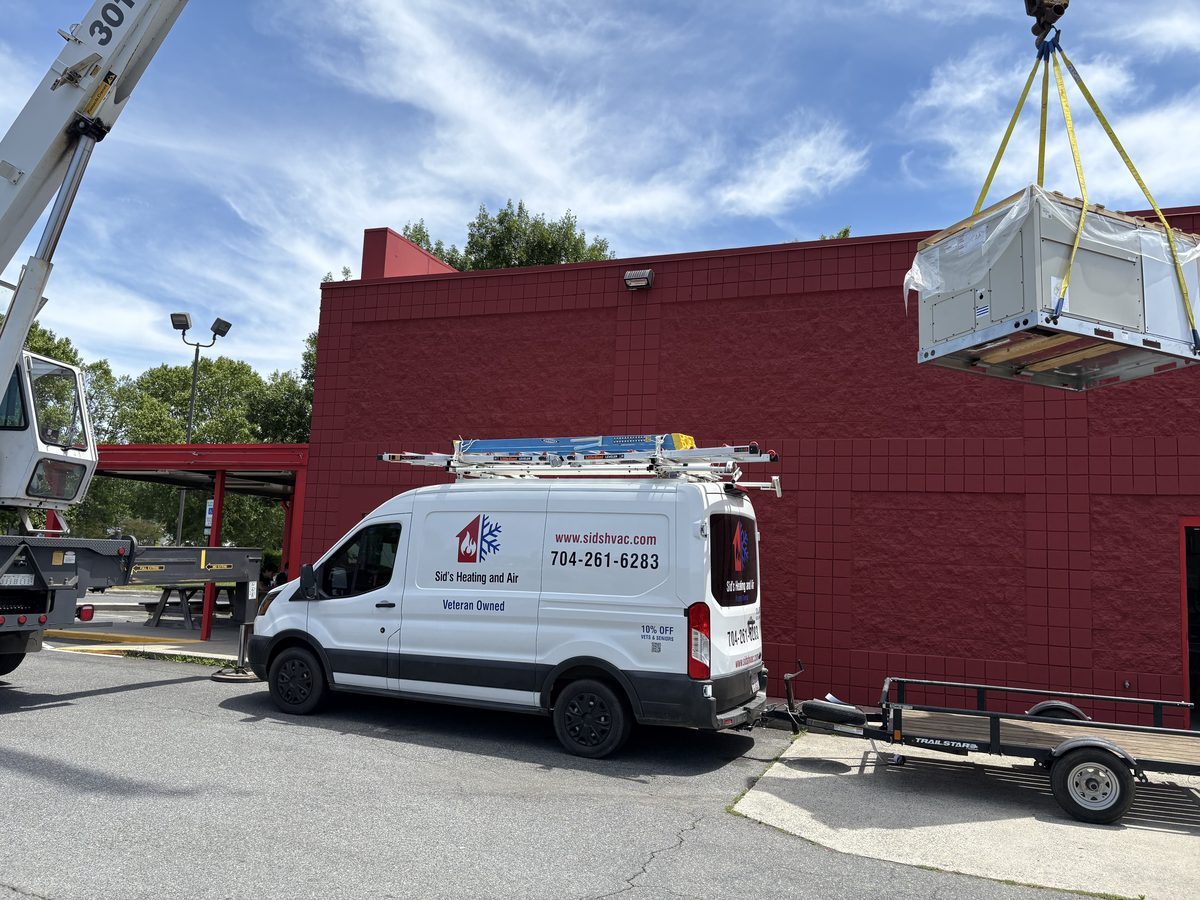
If you're dealing with heat pump reversing valve failure in Wingate, NC, understanding what this component does and how to spot early warning signs can save you from a cold night waiting on a repair. Heat pumps physically reverse the direction refrigerant flows depending on whether you need cooling or heating. That reversal is handled by a single component called the reversing valve. When it works right, you never notice it. When it fails, the system is stuck doing only one job, or doing neither job well.
Fall is the moment this matters most. Your heat pump spent all summer in cooling mode. The first cold week of October is often the first time in months you ask it to flip to heating. If the reversing valve has been quietly degrading, that flip either does not happen, or it happens halfway. Understanding what this valve does and what to watch for can save you a genuinely cold night waiting on a repair.
#What Does a Reversing Valve Actually Do on a Heat Pump?
A reversing valve changes the direction refrigerant flows through your heat pump's refrigerant circuit, which is what determines whether the system pulls heat from outdoor air into your home or pushes heat from your home outside. In cooling mode, the indoor coil acts as the evaporator and absorbs heat from your home. In heating mode, the outdoor coil becomes the evaporator, pulling heat from outside air even when temperatures are cool. The reversing valve is what makes that swap happen.
It is a four-way valve, usually made of brass, with a solenoid coil attached to it. When your thermostat calls for the mode to change, the solenoid is energized, which shifts a slide inside the valve and redirects the refrigerant path. Most heat pumps are engineered so the valve is energized in cooling mode and de-energized in heating mode, though this varies by manufacturer. The U.S. Department of Energy's heat pump overview explains how this refrigerant cycle works and why each component must function correctly for the system to deliver its rated efficiency.
Because most reversing valves are de-energized during heating, a failed solenoid coil will often leave the system stuck in cooling mode. That means blowing cool or lukewarm air when you expect heat, even though the compressor is running normally.
#What Are the Common Symptoms of Heat Pump Reversing Valve Failure?
The clearest sign is a system locked in one mode regardless of what the thermostat says. You call for heat and get cool air, or the system cannot switch back to cooling. But the symptoms are sometimes more subtle than a complete lockup.
- Lukewarm air in heat mode: The valve shifts partway but not completely, allowing some refrigerant to bypass. The system runs but never gets the indoor temperature where it should be.
- Hissing or refrigerant noise near the valve: A worn valve slide can allow refrigerant to leak past the seals internally, creating an audible hiss at the outdoor unit.
- Short cycling when switching modes: The system starts, cannot complete the mode change, and shuts back off.
- High or low pressure readings that do not match the mode: A technician checking refrigerant pressures will often see readings that contradict the mode the thermostat is calling for, which points directly at the valve.
None of these symptoms are exclusive to the reversing valve. Low refrigerant, a failing compressor, or a dirty coil can produce similar complaints. A proper diagnosis matters before any part is replaced. If you're unsure whether your issue is the reversing valve or a broader system problem, our HVAC Services in Monroe, NC page outlines the full range of diagnostics we can perform.
#Reversing Valve Options: Repair Paths Worth Comparing
| Repair Approach | When It Applies | Relative Cost | What to Know |
|---|---|---|---|
| Replace solenoid coil only | Valve body is intact; coil has failed or lost continuity | Lower | The coil can often be swapped without recovering refrigerant; worth testing first |
| Replace full reversing valve | Valve slide is stuck, worn, or leaking internally | Higher; requires refrigerant recovery and recharge | A more involved repair but restores the system properly when the valve body has failed |
#Why Is Fall the Right Time to Check This, Not January?
Reversing valve problems that develop slowly often go unnoticed through summer because the system stays in cooling mode the whole season. The valve is not asked to move. Then the first cold snap arrives, you flip the thermostat to heat, and nothing happens the way it should.
Catching this in October gives you time to schedule a repair without urgency. Catching it in January, when temperatures in the Monroe area drop into the 20s overnight, is a different situation. Repair appointments are harder to get quickly, and you are dealing with the problem while already cold.
Set your thermostat to heat mode and raise the set point above room temperature. Give the system a few minutes. Then go listen near the outdoor unit. If you hear the compressor running but feel air from indoor vents that stays cool or barely warms after ten minutes, the system may not have switched modes correctly. That is worth a service call before winter arrives.
According to the U.S. Department of Energy, heat pumps can efficiently provide heating in moderate climates, which describes most of the Monroe, NC region. That efficiency only shows up when every component, including the reversing valve, is operating as intended.
#Is It Ever Better to Replace the Heat Pump Than Fix the Reversing Valve?
Sometimes, yes. If your heat pump is more than fifteen years old, the reversing valve repair cost has to be weighed against the remaining useful life of the system. Putting a meaningful repair into a system that is near end of life often does not make financial sense. If the equipment is newer and otherwise in good shape, a reversing valve repair is a straightforward way to get the system working correctly again.
A technician who is being straight with you will look at the age, condition, and repair history of the system before recommending which direction to go. That kind of assessment is more useful than a push toward the most expensive solution. For homes where the heat pump has reached the end of its useful life, our Furnace Repair Monroe, NC page is a useful resource if you're weighing a switch to a different heating system.
The solenoid coil test mentioned earlier is one reason to have a technician diagnose before authorizing a full valve replacement. If the coil is the failure point and the valve body is fine, the repair is simpler and less costly. That is the kind of thing worth asking about.
#Common Questions
Can I run my heat pump in emergency heat mode while I wait for a reversing valve repair?
Yes, most heat pump systems include auxiliary or emergency heat strips that operate independently of the refrigerant circuit and the reversing valve. Switching to emergency heat will keep your home warm, but it is considerably less efficient than normal heat pump operation, so it is a temporary measure rather than a long-term