
How a Dirty Evaporator Coil Causes AC Problems in Monroe, NC This Summer
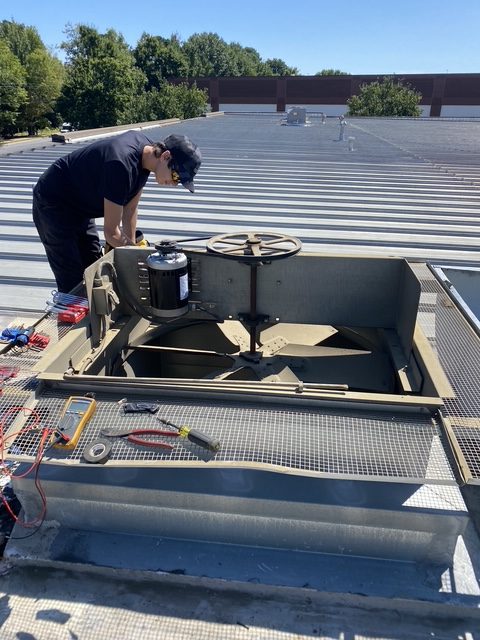
Dirty evaporator coil AC problems in Monroe, NC become especially apparent when summer temperatures climb into the upper 90s and humidity makes the air feel thick. Your air conditioner runs long cycles just to keep your home comfortable, putting stress on every component, and the evaporator coil is one part that quietly causes big problems when it gets dirty. If your AC has been struggling lately, running longer than it used to, or leaving rooms warmer than the thermostat setting, a contaminated evaporator coil may be the reason.
This post explains what the evaporator coil actually does, how it gets dirty, what symptoms to watch for, and why getting it cleaned professionally can make a real difference in how your system performs the rest of this summer.
#What Does the Evaporator Coil Actually Do?
The evaporator coil sits inside your air handler or furnace cabinet, in the indoor portion of your AC system. Its job is to absorb heat from the air inside your home. Warm air from your living space passes over the coil, which contains refrigerant. The refrigerant absorbs that heat, cools the air, and the blower pushes the cooled air back through your ducts. It is a straightforward heat-exchange process, but it depends on good contact between the air and the coil surface.
When dust, pet dander, mold spores, or other airborne particles build up on the coil, they act as insulation. The refrigerant inside the coil can no longer absorb heat efficiently because there is a layer of debris between the coil surface and the warm air. According to the U.S. Department of Energy, a dirty or clogged coil can significantly reduce system efficiency and lead to higher energy bills over time.
#How Does the Evaporator Coil Get Contaminated?
Even with a filter in place, some contamination of the evaporator coil is normal over time. Air filters catch a lot of particles, but they are not perfect. Very fine dust and biological matter can pass through, especially if the filter has not been changed on schedule, if the filter fits loosely in the housing, or if the system runs frequently. In Monroe, NC, where pollen counts run high in spring and summer humidity encourages mold growth, coil contamination can happen faster than homeowners expect.
A few common causes of accelerated coil buildup include running the system with a dirty or missing filter, gaps around the filter housing that allow unfiltered air to bypass the filter entirely, and high indoor humidity levels that cause moisture to condense on the coil and trap particulates in place. Once particles stick to a wet coil surface, they tend to compound quickly.
#What Are the Symptoms of a Dirty Evaporator Coil?
Several warning signs point toward a coil problem, and most of them show up in ways homeowners notice before they ever see the coil itself.
Ice forming on the coil or refrigerant lines. When the coil cannot absorb heat properly, the refrigerant inside gets too cold. Moisture in the air that normally just condenses and drips away instead freezes onto the coil, creating a layer of ice that makes the problem worse. If you have noticed ice on the copper lines running to your outdoor unit, or water pooling around your air handler after the system shuts off, a dirty or frozen coil is a likely cause.
Weak or reduced airflow from your vents. Ice buildup physically blocks airflow through the coil. Even without full ice formation, a thick coating of dust restricts how much air can pass through the coil's fins. Your system may still be running, but less conditioned air reaches your rooms.
The system runs constantly without reaching the set temperature. This is a common complaint during summer, often blamed on the outdoor unit or refrigerant levels. But a dirty evaporator coil reduces the system's ability to remove heat from your home, so the system keeps running trying to compensate. If you are experiencing this, AC repair in Monroe, NC is worth scheduling before the problem worsens.
Higher-than-normal energy bills. A system working harder and longer to achieve the same result uses more electricity. If your bills have crept up without a clear explanation, reduced coil efficiency is worth investigating.
| Symptom | Likely Cause | Recommended Action |
|---|---|---|
| Ice on coil or lines | Restricted airflow or heat transfer failure | Turn system off, call a technician to inspect and clean coil |
| Weak airflow from vents | Coil fins blocked by debris or ice | Check filter first, then have coil inspected |
| System runs non-stop | Reduced heat absorption from dirty coil | Schedule a professional coil cleaning and system check |
| Rising energy bills | System working harder to compensate for inefficiency | HVAC tune-up with coil inspection recommended |
| Musty odors from vents | Mold or mildew growing on wet coil surface | Professional cleaning and possible coil treatment |
#Why Does Professional Cleaning Restore Efficiency?
Cleaning an evaporator coil is not a DIY job for most homeowners. The coil is tucked inside the air handler cabinet, often in a tight space, and the aluminum fins are fragile. Bending even a small section of fins reduces airflow and efficiency. Technicians use coil-safe cleaning solutions and the right tools to remove contamination without damaging the fins or the drain pan below the coil.
A thorough coil cleaning also gives a technician the opportunity to check the condensate drain line, which can clog and cause water damage when a dirty coil is producing excess moisture. Addressing these related issues in a single visit tends to give homeowners better value than chasing symptoms one at a time. Our HVAC services in Monroe, NC include coil cleaning as part of a complete system tune-up for exactly this reason.
Most AC performance problems trace back to maintenance that got skipped during a busy season. A dirty evaporator coil is one of the more common findings during a summer tune-up, and catching it before it causes a full freeze-up or compressor strain is significantly less costly than dealing with the aftermath.
If your system has been showing any of the symptoms described here, give us a call and we can walk you through what a coil cleaning or tune-up involves before you commit to anything.