
How a Heat Pump Switching to Heat Mode in Monroe, NC Works When Fall Arrives
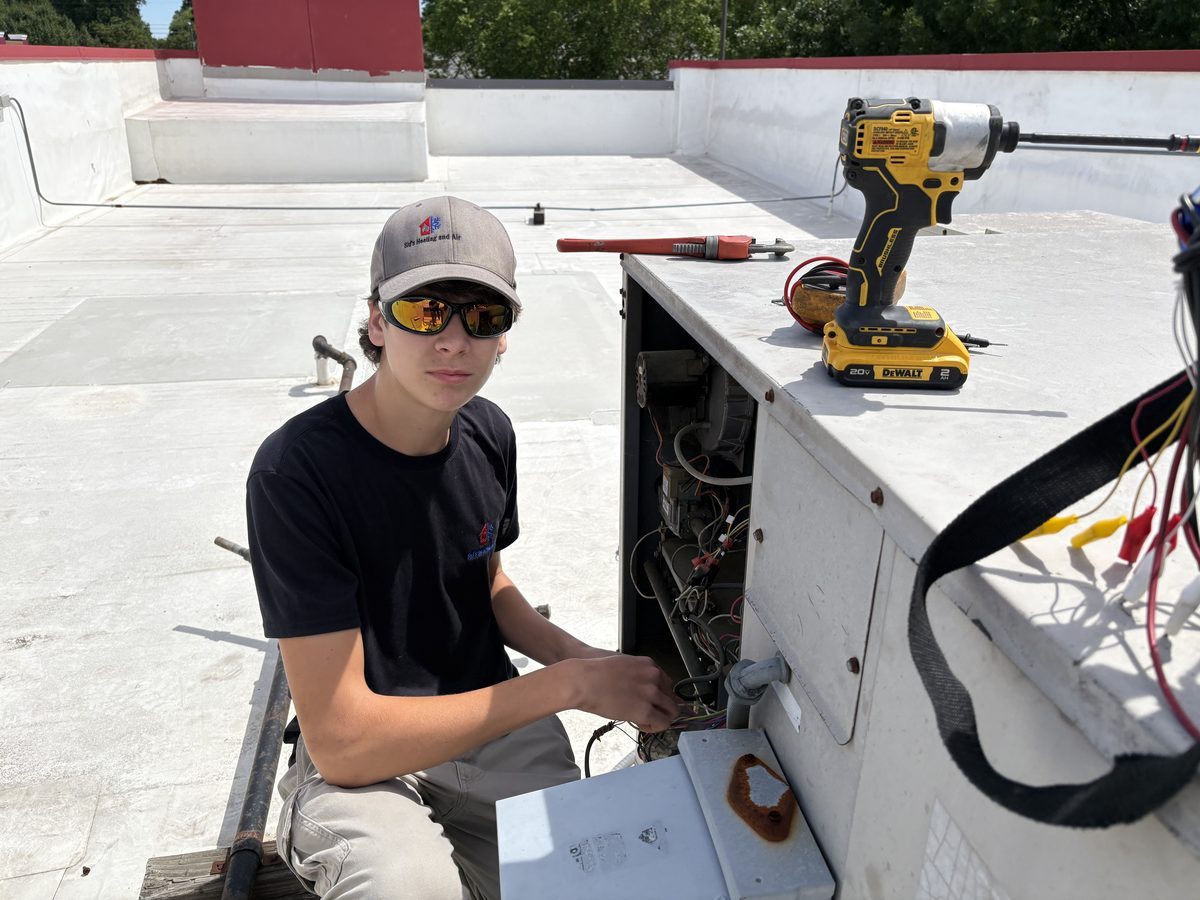
- A reversing valve is the component that allows a heat pump to shift refrigerant flow direction, switching the system from cooling mode to heating mode in fall.
- Some sounds and behaviors during the first heating cycles of the season are completely normal, including a brief rush of air, clicking, and the outdoor unit running while warm air arrives slowly.
- Monroe, NC falls are mild enough that heat pumps work efficiently well into the cooler months, but knowing what to watch for keeps you from calling unnecessarily or waiting too long when something is actually wrong.
- A heat pump blowing cool air in heating mode for more than a few minutes, or a system that trips the breaker repeatedly, warrants a call to a technician.
- A fall tune-up is the practical time to check the reversing valve and refrigerant charge before you need the heat reliably.
When your heat pump switches to heat mode in Monroe, NC for the first time each fall, the transition can feel unfamiliar. One morning in October you flip the thermostat from cool to heat and notice something unexpected: the system kicks on, there is a brief whoosh of air, maybe a click or two, and then the air coming through the vents feels lukewarm for a minute before it warms up.
Almost always, it is just waking up. Understanding why it behaves that way helps you distinguish between a system doing exactly what it should and one that actually needs attention.
#What Does a Reversing Valve Actually Do?
The reversing valve is the part that makes a heat pump different from a standard central air conditioner. It is a four-way valve that sits in the refrigerant line and controls which direction refrigerant flows through the system. In cooling mode, refrigerant absorbs heat from inside your home and releases it outside. When the reversing valve shifts, it flips the direction of that refrigerant flow so the system absorbs heat from the outdoor air and releases it inside your home.
According to the U.S. Department of Energy, heat pumps move heat rather than generating it, which is why they can be significantly more efficient than electric resistance heating in moderate climates. Monroe, NC sits in a climate zone where fall and winter temperatures often stay above the range where heat pumps operate efficiently, making the reversing valve transition an important moment in your seasonal comfort.
The valve itself is controlled by the thermostat. When you switch from cooling to heating, the thermostat sends a signal that either energizes or de-energizes a solenoid on the reversing valve, physically shifting a slide inside the valve to redirect refrigerant flow. The click you might hear during that first call for heat is often the solenoid doing exactly that.
#What Should You Expect During the First Heating Cycles of Fall?
A few things will feel different the first time the heat pump runs in heating mode, and most of them are not problems.
- Lukewarm air for the first minute or two. The system needs a moment to stabilize refrigerant pressure in the new flow direction. Air coming out of the vents may feel barely warm at first. This is normal.
- A clicking sound at startup. The reversing valve shifting position creates a click. So does the contactor in the outdoor unit engaging. One or two clicks at the start of a cycle is not a concern.
- The outdoor unit running while you wait for warm air. In heating mode, the outdoor unit is where the heat pump pulls energy from. It will run continuously during a heating cycle, which may feel counterintuitive if you are used to watching air conditioning equipment.
- A brief burst of cool or room-temperature air when defrost mode kicks in. If temperatures drop into the 30s or low 40s, frost can build on the outdoor coil. The system periodically runs a defrost cycle, which temporarily reverses the refrigerant flow back to cooling mode to melt that frost. You may get a short period of cooler air from the vents and see steam rising from the outdoor unit. Both are normal.
| Behavior | Normal or Concerning? | What It Usually Means |
|---|---|---|
| Lukewarm air for 1 to 2 minutes at startup | Normal | Refrigerant stabilizing after reversing valve shift |
| One or two clicks at startup | Normal | Reversing valve solenoid or contactor engaging |
| Cool air for several minutes during defrost cycle | Normal | System melting frost off the outdoor coil |
| Cool or room-temperature air throughout an entire heating cycle | Concerning | Reversing valve may be stuck or refrigerant charge may be low |
| Grinding, banging, or continuous clicking | Concerning | Mechanical issue in outdoor unit or reversing valve |
| System trips the breaker after switching to heat | Concerning | Electrical fault, possibly compressor or capacitor |
#What Happens When the Reversing Valve Gets Stuck?
A stuck reversing valve is one of those failures that can look like several different problems at once. If the valve sticks in cooling position, your system will blow cool or barely-warm air even when the thermostat is calling for heat. If it sticks partway between positions, refrigerant pressure can become erratic, the compressor works harder than it should, and you may hear unusual sounds from the outdoor unit.
The slide inside the reversing valve moves on refrigerant pressure, not mechanical force alone. When a valve sticks, it is sometimes because the solenoid has failed and cannot shift the slide. Other times the slide itself is worn or corroded. A technician can often diagnose a stuck valve by measuring suction and discharge pressures and comparing them to expected values for the current outdoor temperature. Sometimes the solenoid can be replaced without replacing the entire valve, which costs less. Other times the valve assembly needs to come out, which is a more involved repair.
A reversing valve that works fine in cooling but fails in heating is one of the more common reasons Monroe, NC homeowners notice a problem specifically in fall. The valve may have been gradually weakening all summer without ever showing a symptom in cooling mode. Fall is when you find out.
#Is Fall the Right Time to Schedule a Heat Pump Tune-Up in Monroe, NC?
Yes, fall is the practical window for a heat pump tune-up before heating season, and it is worth scheduling before the first cold snap rather than after. Monroe, NC tends to see a few chilly nights in October before temperatures consistently drop in November. A tune-up done in September or early October means a technician can check the reversing valve operation, verify refrigerant charge, clean the coils, and confirm that the defrost board is functioning before you actually need the heat. Our HVAC services in Monroe, NC include exactly this kind of pre-season inspection.
Low refrigerant is a common finding at