
How Heat Pump Heating Mode Refrigerant Works in Monroe, NC, Fall and Winter Guide
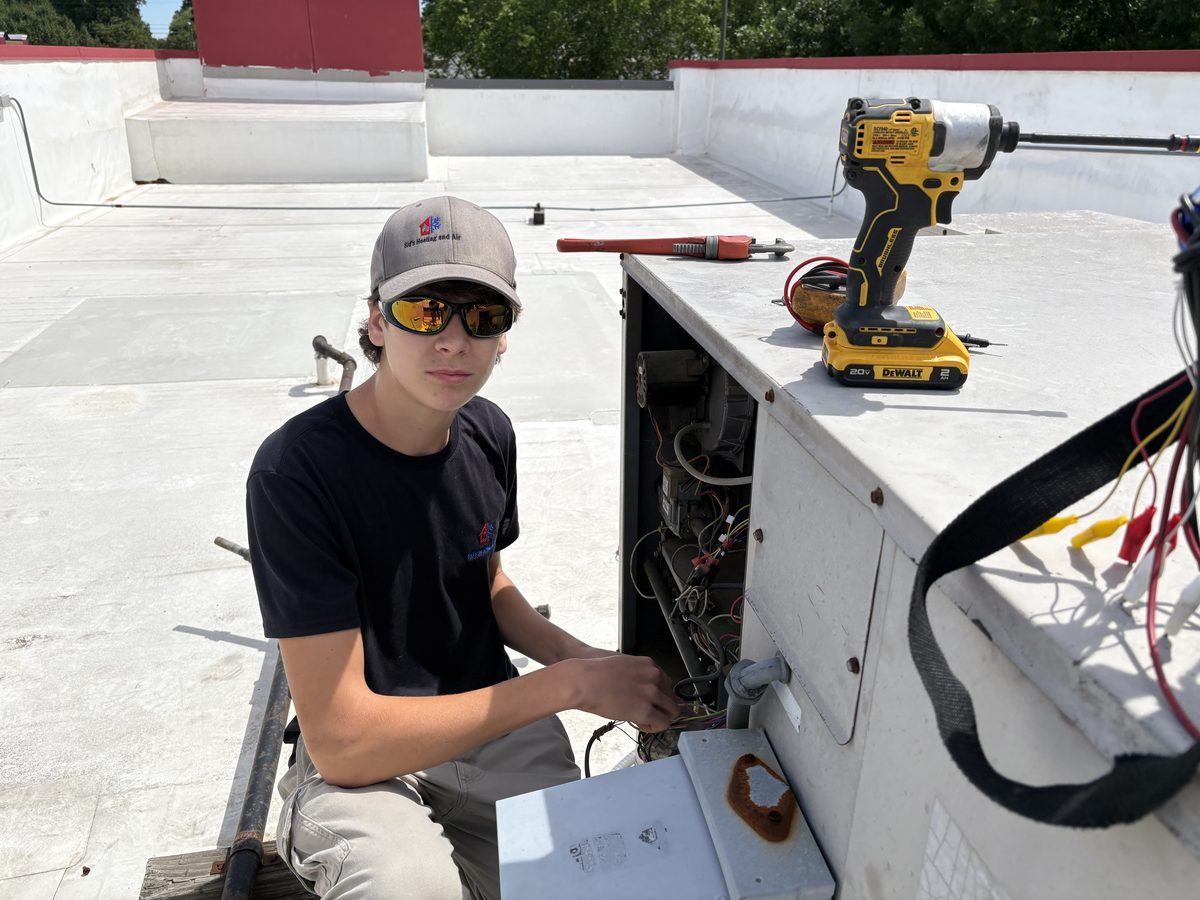
Understanding heat pump heating mode refrigerant behavior in Monroe, NC helps you read your system accurately, recognize what is normal, and know when something genuinely needs attention before cold weather arrives.
- When a heat pump switches to heating mode, a component called the reversing valve redirects refrigerant to flow in the opposite direction compared to summer cooling mode.
- In heating mode, the outdoor coil acts as the absorber, pulling heat from the outside air, while the indoor coil releases that heat into your home.
- This is fundamentally different from how the system works in summer, when the indoor coil absorbs heat and the outdoor coil dumps it outside.
- Monroe, NC winters are mild enough that heat pumps work efficiently through most of the cold season, but efficiency does drop as outdoor temperatures fall toward freezing.
- Knowing what normal heating mode behavior looks and sounds like can help you tell a routine defrost cycle from a real problem before calling anyone.
Most people think of a heat pump as a furnace alternative. That framing is close, but it misses the more interesting truth: a heat pump does not generate heat at all. It moves heat that already exists in the outdoor air and carries it inside. Even when the air outside feels cold to you, there is still usable thermal energy in it. The refrigerant inside your system is the thing doing the carrying.
Understanding how that process works in heating mode, and how it differs from what happens in summer, helps you read your system more accurately. You will know what sounds are normal, what is worth watching, and when something actually needs attention. If you need a broader overview of your system's seasonal needs, our HVAC services in Monroe, NC page covers what we offer year-round.
#What Does the Reversing Valve Do When Fall Arrives?
The reversing valve is the component that makes a heat pump different from a standard air conditioner. It changes the direction refrigerant flows through the system, and that single shift is what turns a cooling machine into a heating one.
In summer, refrigerant flows in one direction: absorbing heat from inside your home and rejecting it outdoors. When you switch the system to heating mode, the reversing valve shifts, and the refrigerant circuit runs in the opposite direction. Same refrigerant, same compressor, same coils, everything just runs backward.
The reversing valve is an electromechanical component that can wear over time. A valve that is stuck or partially shifted is a common cause of a heat pump that heats poorly in winter but cools fine in summer, or vice versa. If your system seems to be doing only one job well, that valve is worth having checked.
When the valve shifts, you may hear a soft click or whoosh from the unit. That is normal, it is simply the system changing state.
#What Are the Outdoor and Indoor Coils Each Doing in Heating Mode?
In heating mode, the roles of the two coils flip completely compared to summer, and this is where most of the confusion comes from.
| Coil location | Summer cooling mode | Fall/winter heating mode |
|---|---|---|
| Indoor coil (air handler) | Absorbs heat from indoor air, cooling the space | Releases heat into indoor air, warming the space |
| Outdoor coil (condenser/evaporator) | Releases heat absorbed from indoors to the outside air | Absorbs heat energy from the outdoor air |
In heating mode, the outdoor coil becomes the evaporator. Cold liquid refrigerant enters it and absorbs heat from the outside air. Even at 35 or 40 degrees Fahrenheit, there is enough thermal energy in that air to boil the refrigerant into a low-pressure gas. That gas then travels to the compressor, which raises its pressure and temperature significantly. The now-hot, high-pressure gas moves to the indoor coil, where it condenses and releases that heat into the air blowing through your home.
The refrigerant then returns outside to start the cycle again. According to the U.S. Department of Energy, heat pumps can transfer more energy as heat than they consume as electricity, which is what makes them efficient relative to electric resistance heating in climates like Monroe, NC.
#Why Does Frost Form on the Outdoor Unit, and Is That a Problem?
Frost on the outdoor coil in winter is normal, not a warning sign. When the outdoor coil is acting as the evaporator and pulling heat from cold, humid air, moisture in the air can freeze on the coil surface. Your heat pump has a defrost cycle built in specifically for this situation.
During defrost, the system temporarily reverses back to cooling mode to warm the outdoor coil and melt the frost. You may notice steam rising from the outdoor unit during this cycle, and the indoor air may briefly feel less warm. Both are expected. The cycle usually lasts just a few minutes.
Heavy ice buildup that does not clear on its own, a coil that stays frozen for hours, or ice forming on the refrigerant lines running into your home are different matters. These can point to a low refrigerant charge, a faulty defrost board, or a defrost sensor that has stopped working accurately.
#How Is Heating Mode Refrigerant Behavior Different from Summer Operation?
The core difference comes down to pressure and temperature on each side of the system. In summer, the high-pressure, high-temperature side is outdoors. In winter, it flips: the high-pressure side is indoors, because that is where heat is being released.
This matters when a technician checks refrigerant pressures. The readings that indicate a properly charged system in July look completely different from the readings a technician expects in December. Ambient outdoor temperature has a direct effect on the suction and discharge pressures a heat pump produces in heating mode. A technician checking refrigerant charge on a cold day needs to account for that or the reading is nearly meaningless.
Monroe, NC winters sit in a range that is generally favorable for heat pump operation. The region does not typically see extended periods of extreme cold, and heat pumps perform well in that climate through most of the heating season. Efficiency does decrease as temperatures approach or drop below freezing, which is when a backup heat strip may cycle on. That is normal system behavior, not a failure.
#What Can You Check Yourself Before Calling a Technician?
There are a few things worth checking on your own if the system seems off this fall or winter.
- Check the air filter first. A clogged filter restricts airflow across the indoor coil and makes the whole system work harder regardless of mode. Replace it if it has been more than 60 to 90 days since the last change.
- Look at the outdoor unit. A light frost coating is fine. Solid ice covering the coil and not clearing after an hour or two is worth a call.
- Listen for the reversing valve. A click when the system switches modes is normal. A loud hissing or gurgling that continues during operation can indicate a refrigerant issue or a valve that is not fully shifting.
- Check that nothing is blocking the outdoor unit.