
Modulating Furnace Monroe NC: Is One Worth the Cost for Your Home Replacement?
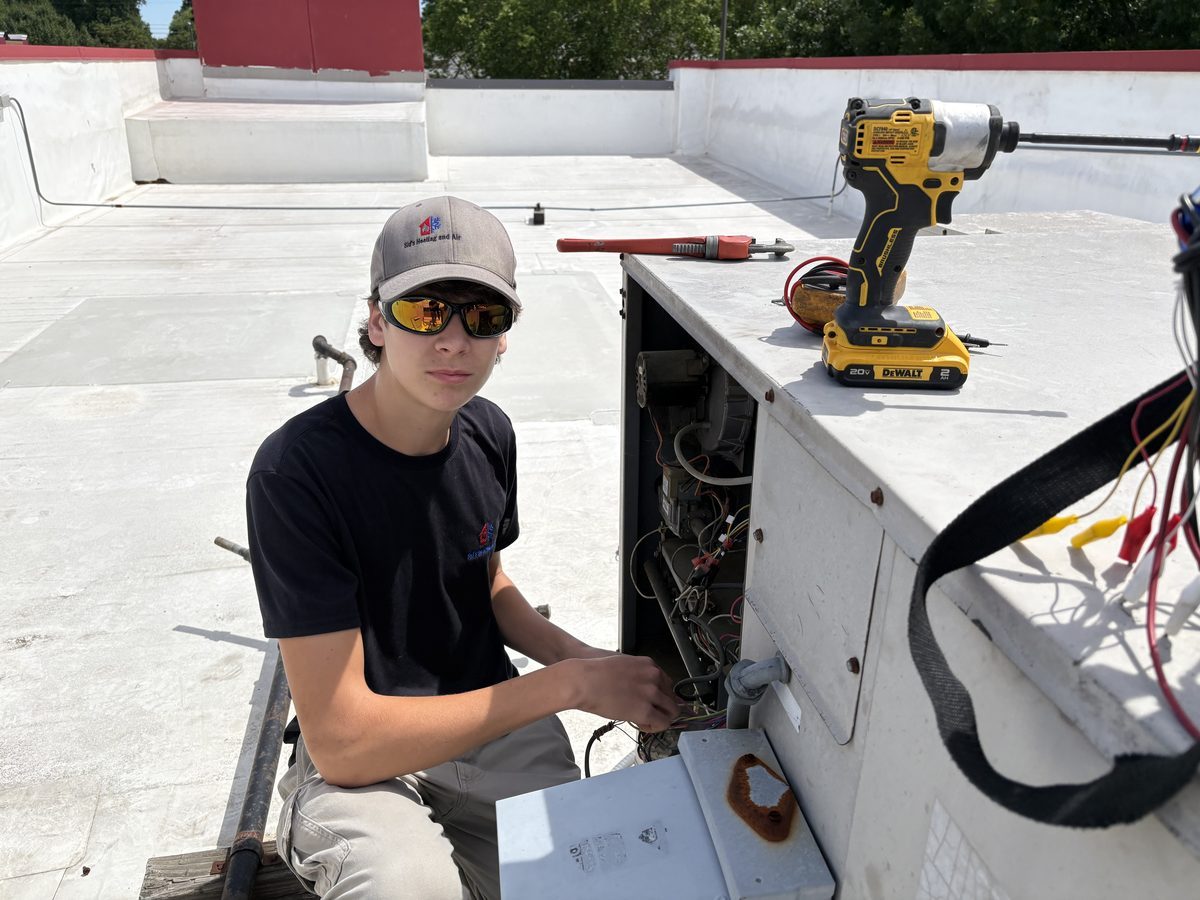
- A modulating furnace adjusts its heat output in small increments rather than simply switching on and off at full power, which produces more even indoor temperatures.
- Compared to single-stage and two-stage furnaces, modulating units run longer at lower capacity, reducing temperature swings and cold spots throughout the house.
- The upfront cost of a modulating furnace is meaningfully higher than a single-stage or two-stage unit, so the right choice depends on your home, your budget, and how long you plan to stay.
- Monroe, NC winters are mild compared to northern climates, which affects how often a modulating furnace operates at its highest efficiency range and how quickly the investment pays back.
- A furnace replacement is a good time to have an honest conversation about what level of equipment actually fits your situation, rather than defaulting to the most or least expensive option.
If you are shopping for a modulating furnace in Monroe, NC, you have probably already noticed the price gap between furnace tiers and started wondering whether the upgrade actually makes sense for a Union County home. The honest answer is "it depends," and the details below should help you figure out which way it tips for your situation.
This post covers how modulating furnaces work, how they compare to single-stage and two-stage units, and what Monroe homeowners specifically should think about before deciding. For a broader look at your options, see our HVAC Services in Monroe, NC.
#How Does a Modulating Furnace Actually Work?
A modulating furnace adjusts its burner output continuously, in small increments, based on how much heat the house needs at any given moment. Instead of being either fully on or fully off like a single-stage unit, it reads demand and responds with exactly enough heat to match it.
Think of it like cruise control in a car. A single-stage furnace is a driver who either floors the gas pedal or takes their foot off completely. A modulating furnace is the driver who makes tiny adjustments to hold a steady speed. The result is a system that runs longer cycles at lower capacity rather than short, intense blasts of heat followed by silence.
Most modulating furnaces pair with a variable-speed blower motor. The two work together: the burner adjusts heat output, and the blower adjusts airflow to match. This combination is what makes the temperature throughout your home feel noticeably more stable than what you get from a basic system.
According to the U.S. Department of Energy, high-efficiency furnaces with variable heat output can reach Annual Fuel Utilization Efficiency (AFUE) ratings of 90% or above, meaning very little of the fuel you pay for is wasted as exhaust. Many modulating furnaces land in the 96% to 98% AFUE range.
#What Is the Real Difference Between Single-Stage, Two-Stage, and Modulating Furnaces?
Each type represents a different philosophy about how a furnace should match your home's heating load. Here is a straightforward comparison.
| Feature | Single-Stage | Two-Stage | Modulating |
|---|---|---|---|
| Heat output levels | One (100%) | Two (typically 65% and 100%) | Many increments (often 40% to 100%) |
| Temperature consistency | More swings | Better than single-stage | Most consistent |
| Typical AFUE range | 80% to 92% | 90% to 96% | 95% to 98% |
| Upfront cost | Lowest | Moderate | Highest |
| Best suited for | Mild climates, shorter stays | Most climates, balanced budgets | Comfort-focused buyers, longer stays |
A single-stage furnace is not a bad furnace. In a well-sealed home with good ductwork and a mild climate, it does the job. The complaints people have with single-stage units usually come from temperature swings: the thermostat calls for heat, the furnace fires at full blast, the house overshoots the set point slightly, the furnace shuts off, and the cycle repeats. In a drafty home or one with poor duct balance, those swings are more noticeable.
A two-stage furnace cuts that cycling significantly by running at a lower stage most of the time and only stepping up to full capacity on the coldest days. For many homeowners, this is the sweet spot between comfort and cost.
A modulating furnace takes that logic further. It runs almost constantly on mild days, barely above the lowest setting, keeping the temperature rock steady. Rooms that used to feel cold while the furnace was off tend to even out. Humidity stays more stable too, because the blower runs more continuously and the system has time to distribute air properly.
#Does Monroe, NC's Climate Make a Modulating Furnace Worth the Extra Cost?
Monroe winters are real but they are not brutal. Most of the heating season sits in that mild-to-cool range where a modulating furnace can operate near its lowest output settings, which is exactly where the efficiency advantage shows up most clearly. The system runs long, quiet, low-capacity cycles rather than cycling hard.
That said, Monroe does not have the extended deep-cold winters that push northern homes into maximum heating demand for months on end. The efficiency gap between a well-matched two-stage furnace and a modulating furnace narrows in climates like ours because you simply do not spend as many hours near peak load.
The upfront premium for a modulating furnace over a two-stage unit can be meaningful. In a milder climate like Monroe, the annual fuel savings may be smaller than they would be in colder regions. A longer payback period does not mean the investment is wrong, but it does mean you should think about how long you plan to stay in the home and how much the day-to-day comfort improvement matters to you personally.
#What Should You Actually Check Before Deciding?
Before the furnace type matters at all, a few fundamentals have to be right. A modulating furnace installed in a house with leaky ducts and poor insulation will underperform a basic single-stage system in a tight, well-designed home. Equipment is only part of the story.
- Duct condition: Have your ducts inspected if you have not in the last several years. Leaky supply or return ducts waste heat regardless of furnace type.
- Manual J load calculation: The furnace has to be sized correctly for your home. Oversizing is one of the most common installation mistakes, and it undermines the advantages of any multi-stage or modulating system.
- Thermostat compatibility: A modulating furnace typically needs a communicating or compatible thermostat to realize its full range of operation. Verify this before purchase.
- Filter habits: A dirty filter makes the blower work harder and can shorten equipment life. Regular filter changes matter regardless of which furnace you buy.
The right answer for one Monroe homeowner is not automatically right for another. A retired couple in a well-sealed ranch who plan to stay for twenty years and care deeply about comfort? A modulating furnace is worth serious consideration. A family planning to sell in five years? A well-installed two-stage unit probably makes more practical sense. If your current system has broken down and you need guidance fast, our Furnace Repair Monroe, NC page covers what to expect.
The most expensive furnace is not always the right one, and a straightforward HVAC conversation should help you understand the trade-offs rather than push you toward any particular tier.
#Common Questions
How long does a modulating furnace typically last compared to a single-stage unit?
Modulating furnaces generally have similar life expectancies to other modern gas furnaces, often in the 15 to 20 year range with proper maintenance. The variable-speed blower and modulating gas valve are more complex components, so maintenance and filter habits matter at least as much as they do with simpler systems.
Can a modulating furnace work with my existing ductwork in a Monroe, NC home?
It depends on the condition and sizing of your current ducts. A modulating furnace paired with a variable-speed blower moves air more gently and consistently, which actually puts less stress on ductwork than a single-stage unit firing at full blast. However, if your ducts are undersized, leaky, or poorly balanced, those problems should be addressed before any new furnace goes in, regardless of type.
Will a modulating furnace noticeably reduce my heating bills in a mild climate like Monroe?
It can, but the savings are usually more modest in mild climates than in colder regions. The efficiency advantage is most pronounced during long, low-demand runs, which Monroe winters do produce. The improvement over a quality two-stage unit may be smaller than the marketing suggests, so comfort consistency is often a stronger argument for going modulating than fuel savings alone.
Is a modulating furnace harder to repair if something goes wrong?
The added complexity does mean more components that can potentially need attention. The modulating gas valve and variable-speed motor are more sophisticated than their single-stage counterparts, and not every technician works on them regularly. Making sure whoever services your system has experience with the specific brand you choose is worth asking about upfront.
If you are weighing a furnace replacement in Monroe, NC and want a straight conversation about what level of equipment actually fits your home and your plans, Sid's Heating & Air is happy to talk it through with you. Call us or send a message and we will give you our honest read, not a sales pitch.