What Happens During a Fall HVAC Tune-Up in Monroe, NC, and Why Each Step Matters
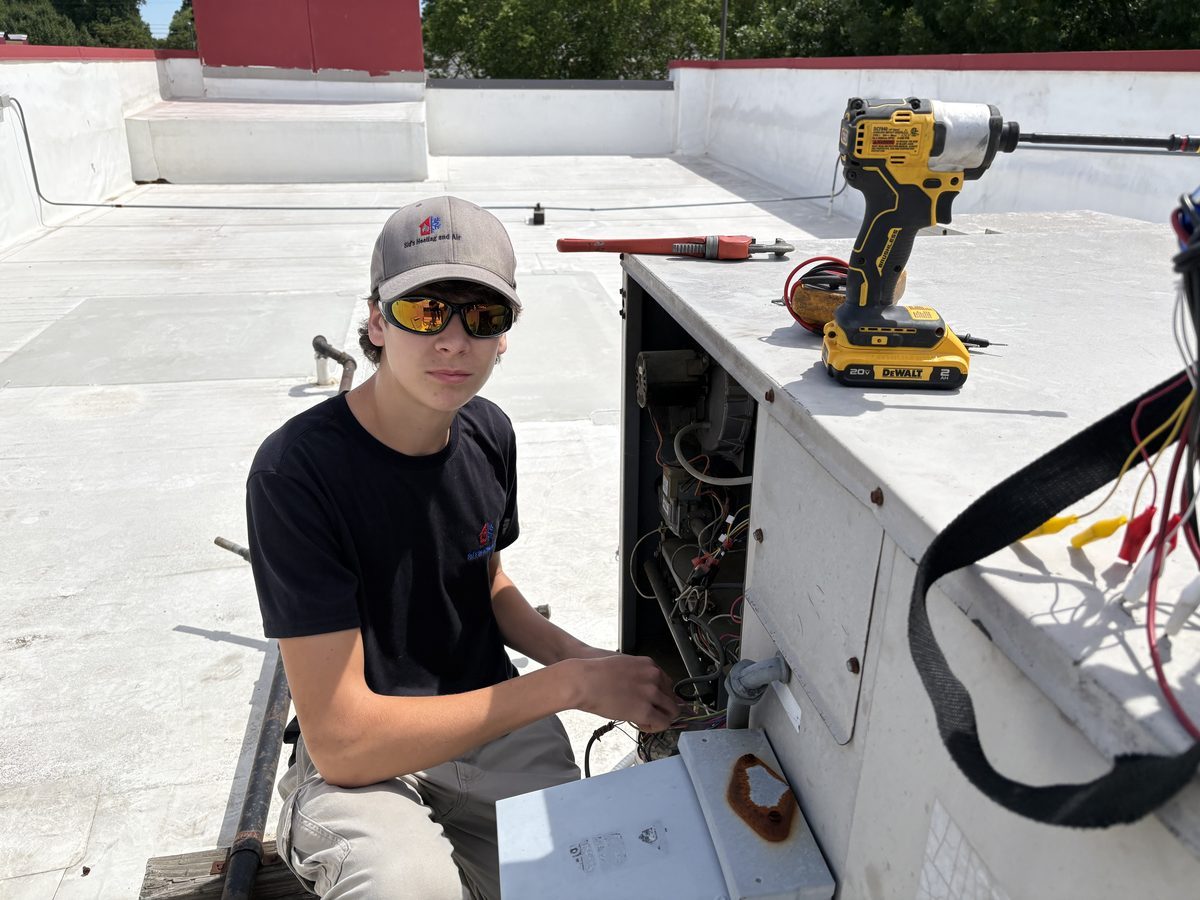
A fall HVAC tune-up in Monroe, NC is the most reliable way to find out where your heating system stands before cold weather puts real load on it. The heat kicks on for the first time in months, runs for thirty seconds, and shuts off. Or it makes a sound you do not remember from last winter. Or it runs fine but the upstairs never quite warms up. These are the things that show up in October and November, and most of them were preventable with a tune-up in September.
Monroe sits in a climate zone where winters are mild enough that homeowners sometimes skip heating maintenance. That is a reasonable bet some years. Other years, temperatures drop fast and stay down, and a heating system that sat idle for eight or nine months has had plenty of time to develop small problems that become big ones under load. A tune-up is not about fixing things that are broken. It is about checking a specific list of items before you need heat, while there is still time to address anything that needs attention.
Here is what a technician actually does during that visit, and why each step is worth doing. If you want a broader look at what we cover, see our HVAC Services in Monroe, NC.
#What Does Ignition System Testing Actually Check?
The ignition system is the first thing that has to work when your thermostat calls for heat, and it is one of the most common points of failure after a long off-season. On modern gas furnaces, that usually means a hot surface igniter or a direct spark ignitor rather than a standing pilot light. A technician will inspect the igniter for visible cracking, test its electrical resistance where applicable, and observe an actual ignition cycle to confirm the burners light cleanly and stay lit.
Hot surface igniters are made from a brittle material that degrades over time and can crack from the thermal stress of being unused and then fired up. A cracked igniter may still glow and even produce a successful ignition on a warm day, but fail to reach the temperature needed to light the burners on a cold morning when you actually need heat. Catching a borderline igniter in October costs far less than a no-heat call on a cold January night.
If your furnace makes a clicking sound and then nothing happens, or if it tries to ignite two or three times before catching, the ignition system is a logical place to start. This is something you can notice yourself before calling anyone.
#Why Does Heat Rise Testing Matter for Your Furnace?
Heat rise is the difference between the temperature of the air entering your furnace and the temperature of the air leaving it. Furnaces are designed to operate within a specific heat rise range, and that range is printed on the data plate inside the unit. A technician measures supply and return air temperatures during operation and compares the difference to that specification.
If heat rise is too low, the furnace may not be transferring heat effectively, pointing to problems with airflow or burner performance. If it is too high, the furnace is running hotter than it should, which stresses the heat exchanger over time. A cracked heat exchanger is one of the more serious and expensive furnace problems, and excess heat rise is one of the conditions that gets you there faster. If a heat exchanger issue is already suspected, our Furnace Repair in Monroe, NC page covers what that process looks like.
A dirty filter is often the first thing that throws off heat rise by restricting return airflow. That is something you can check right now. According to the U.S. Department of Energy, replacing a clogged filter is one of the most effective things a homeowner can do to maintain heating efficiency.
#What Is the Flue Venting Inspection Checking For?
The flue is the exhaust path that carries combustion gases out of your home. On a gas furnace, that includes carbon monoxide. A technician will inspect the flue pipe for proper slope, secure connections, signs of rust or corrosion, and any blockages at the termination point outside the home. On older systems with natural draft venting, they will also check that the draft is actually moving in the right direction during operation.
This is a safety check. A disconnected joint, a corroded section, or a bird nest blocking the exterior vent cap can allow combustion byproducts to spill back into living space. Carbon monoxide is colorless and odorless. If you do not have working CO detectors in your home, add them before heating season regardless of whether you schedule a tune-up.
| Tune-Up Task | Primary Purpose | What Gets Missed Without It |
|---|---|---|
| Ignition system check | Confirm reliable startup before cold weather | No-heat calls on the coldest days of the year |
| Heat rise test | Verify furnace is within design operating range | Heat exchanger stress, higher energy use, shortened equipment life |
| Flue venting inspection | Confirm safe exhaust of combustion gases | Carbon monoxide risk, draft problems, code concerns |
| Thermostat calibration check | Ensure the system runs cycles of the right length | Overcycling, undercycling, comfort complaints with no obvious cause |
| Electrical connection inspection | Identify loose or corroded contacts | Intermittent failures, control board damage, safety risks |
#Does Thermostat Calibration Really Make a Difference?
Yes, more than most homeowners expect. A thermostat that reads two degrees warmer than actual room temperature will call for heat later and run longer cycles than necessary. One that reads cooler will short-cycle the system. Either way, comfort suffers and equipment works harder than the design intended.
During a tune-up, a technician will compare the thermostat's reading to an independent temperature measurement and check that the system responds correctly when the setpoint is adjusted. On programmable and smart thermostats, they will also verify that scheduling and setback functions are working. A thermostat that is three or four years old and has never been checked is worth evaluating, especially if you have had a season where the house never quite felt right despite the system running normally.
Tape a reliable thermometer next to your thermostat and let both stabilize for fifteen minutes with the system off. If they read more than a degree or two apart, that is worth mentioning when you talk to a technician.
#What Else Is Typically Checked During a Fall Tune-Up?
Beyond the four core items above, a thorough tune-up covers several additional areas that often go overlooked.
- Electrical connections and controls: Loose wiring connections can cause intermittent failures and, in some cases, damage to the control board. A technician checks and tightens connections and tests safety controls including the high-limit switch.
- Burner flame inspection: On a gas furnace, the flame should be steady and blue. Yellow or orange flame, or a flame that lifts off the burners, points to a combustion problem worth investigating.
- Blower motor and belt (if applicable):